

In the past year, field officers from the federal body for Indigenous peoples traveled over a vast distance through lush Amazon jungle on the southern periphery of the Brazilian Amazon. Their mission was to observe and help protect an Indigenous group with no contact with the modern world.
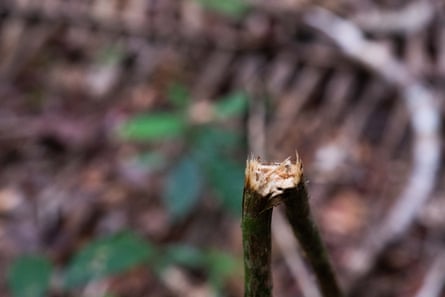
Their findings included a freshly woven container made from leaves, a small footprints by a riverbank, and logs recently hacked to gather honey. They also found old huts sinking into the forest and shells from gathered nuts near old fire pits. These were all telltale indicators that the isolated tribe continued to inhabit the region.
Administrative Stalling Block Legal Safeguards
Despite a high court order calling for a set of protective measures for the vulnerable tribe, the national authorities has yet to act. The approved measures included fast-tracking the demarcation of their territory and outlining forest protection strategies.
Red tape, budgetary constraints, and hostile clashes—involving assaults by individuals linked to the timber trade—have effectively blocked the demarcation effort.
Without established perimeters, deforestation agents continue to encroach, leaving the Kawahiva at grave risk of cultural eradication. Advocates label the delay a intentional and dangerous infringement of the national charter.
“This stalling in land protection is not only unlawful, it is also profoundly hazardous.”
Encroaching Deforestation
The intended vast Indigenous land still lacks official demarcation, as mandated by law. It is considered the greatest expanse of vulnerable jungle in Brazil that is the domain of uncontacted Indigenous people.
On the edges of the proposed borders, the scene changes dramatically. The land is scorched for cattle grazing. Fences and gates are being erected, and logging tracks are pushing further into the pristine forest.
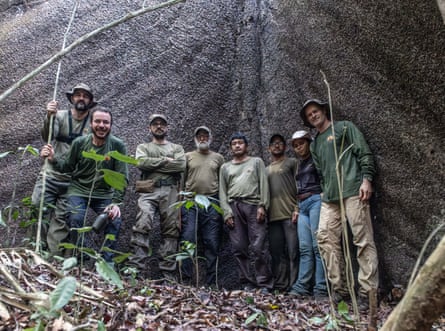
Following the expedition, a agency head for Indigenous affairs pledged to resolve the situation. “We are making all possible efforts to make certain that the Kawahiva land receives protection,” the official stated.
Financial Obstacles and Escalating Tensions
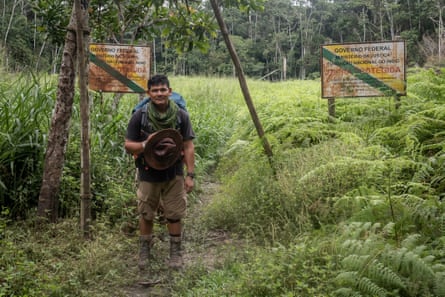
The official mapping of the 200-mile perimeter involves setting up official signs. This is seen as a crucial action to show outside interests that the government is serious about defending the land. However, the process remains stalled.
Funding has been a key challenge. Initial plans to use environmental mitigation money from a road construction did not materialize. The agency has since turned to new partners.
It has now initiated a partnership with a research center. “This is a collaborative effort that we’ve used successfully before,” explained an official. “The on-ground work is scheduled to begin in the coming years.”
The institute confirmed that discussions were in late stages but did not specify when work would begin.
Complicating everything is what officials term a “highly tense environment in the region,” which is expected to require an security detail during any boundary marking.
Threats and Intimidation
The threat of violence is real. In 2018, an armed group assaulted a government base in the territory, resulting in a firefight where one attacker was killed. Years later, heavily armed police were stationed in the area.
Earlier this year, an recorded message surfaced in which a man, calling himself a local leader, verbally attacked the lead field agent. The individual, believed to be associated with local loggers, boasted to have conducted an expedition “searching for those isolated Indians.”
He is under indictment for several environmental crimes, including charges related to the attempted murder on the agent. “Our operations are hindered because of this guy,” the man said in the recording.
The Political Clock
Anthropologists and observers point out that it has been over 25 years since the existence of the isolated group was confirmed. “In all these years, illegal settlers have sought to overturn the territorial status in court,” noted one expert.
They raise a worrying prospect: that the current delay is a deliberate political tactic rather than a bureaucratic one. This leads to apprehension that demarcation may not happen even in the near future.
The electoral calendar adds urgency. Many believe that the next two years represents the closing window for this territory project to be completed, before a potential administration change could freeze protective measures, as has happened before.
The supreme court directive was the result of a petition filed by a national Indigenous organization. The court recognized the “risk of genocide, starvation, and assimilation” facing the community.
A lawyer involved described the process as “at a standstill,” with the court waiting for action. The risks of inaction are stark. “Furthermore, it is highly risky and puts the lives at risk of the isolated Kawahiva,” warned a representative from an international advocacy group.


